

Buying a scooter can feel exciting and overwhelming. With many models, features, and safety points to consider, it’s best to decide from clear information. This guide gives new riders practical tips on choosing the right model, staying safe, and keeping a scooter well maintained. By the end, you’ll understand how to pick a scooter that suits your needs, ride safely, and maintain it for reliable performance. We cover beginner-friendly models, essential safety advice, maintenance basics, and financing options for new riders.
Which Scooters Are Best for Beginners? Affordable and Reliable Options
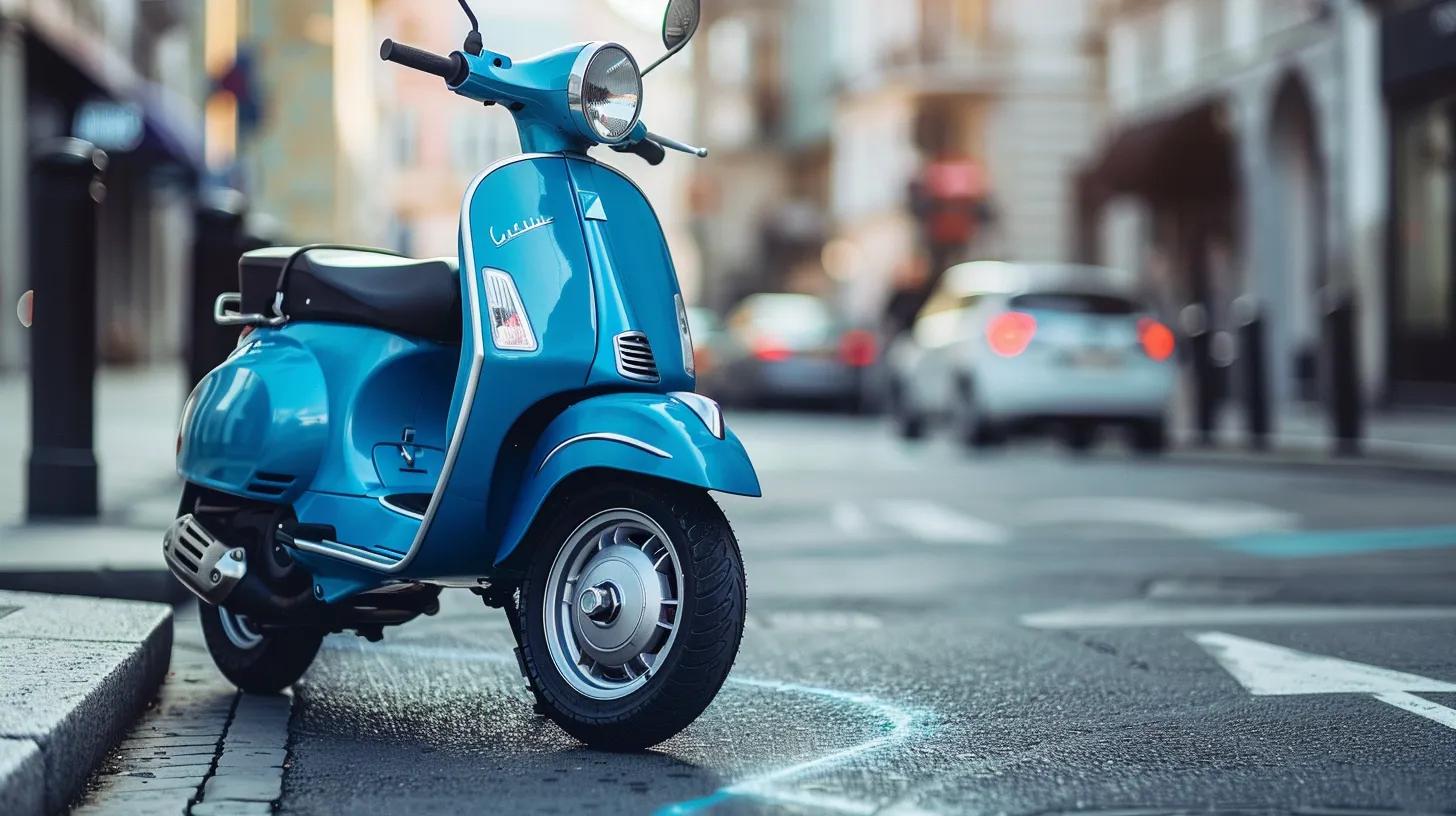
When choosing a scooter, prioritize affordability and reliability. The best beginner models combine simple, user-friendly design with safety features and steady performance. Common choices include lightweight electric scooters and compact gas scooters that balance speed with easy handling. For a wide selection of these vehicles, explore options at scooter models.
What Features Should Beginner Scooters Have?
Beginner scooters should include a few key features to make riding safe and enjoyable. These include:
- Safety Features: Look for scooters equipped with reliable brakes, lights, and reflectors to enhance visibility and control.
- Ease of Use: A lightweight design and intuitive controls make it easier for new riders to handle their scooters.
- Durability: Choose models made from high-quality materials that can withstand regular use and various weather conditions.
How to Compare Scooter Models for New Riders
Comparing models helps you make a confident, informed choice. Consider these metrics:
- Price Comparison: Evaluate the cost of various models to find one that fits your budget.
- Feature Analysis: Assess the features of each scooter, focusing on safety, comfort, and performance.
- User Feedback: Read reviews from other riders to gain insights into the reliability and performance of specific models.
| Scooter Model | Price | Features |
|---|---|---|
| Model A | $299 | Lightweight, electric, 15 mph max speed |
| Model B | $399 | Gas-powered, 30 mph max speed, durable frame |
| Model C | $249 | Compact design, easy to fold, safety lights |
How to Choose the Right Scooter: A Step-by-Step Guide
Choosing the right scooter follows a clear, step-by-step process. A structured approach helps beginners weigh priorities and make a confident selection.
What Factors Affect Scooter Selection for Beginners?
Several factors affect which scooter is right for you:
- Rider’s Height: Ensure the scooter’s height is adjustable or suitable for the rider’s stature for comfort and control.
- Intended Use: Consider whether the scooter will be used for commuting, leisure, or off-road adventures.
- Budget: Set a budget that includes not only the purchase price but also maintenance and insurance costs.
How to Evaluate Electric vs. Gas Scooters
When deciding between electric and gas scooters, weigh these trade-offs:
- Cost of Ownership: Electric scooters generally have lower operating costs due to fewer maintenance needs and no fuel expenses.
- Environmental Impact: Electric scooters are more eco-friendly, producing no emissions during operation.
- Performance: Gas scooters often provide higher speeds and longer ranges, making them suitable for longer commutes.
What Are Essential Scooter Safety Tips for New Riders?
Safety is the top priority for new riders. Knowing key safety tips can significantly reduce accident risk.
Which Safety Gear Is Must-Have for Beginners?

Investing in proper safety gear protects you on the road. Essential items include:
- Helmets: A well-fitted helmet is vital for head protection in case of falls.
- Protective Clothing: Wearing long sleeves and pants can help prevent injuries from scrapes and abrasions.
- Visibility Gear: Bright colors and reflective materials enhance visibility to other road users.
How to Practice Safe Riding Habits
Develop safe riding habits from the start. Key practices include:
- Defensive Riding: Always be aware of your surroundings and anticipate the actions of other road users.
- Awareness of Surroundings: Stay alert to potential hazards, such as potholes or pedestrians.
- Avoiding Distractions: Keep your focus on the road and avoid using mobile devices while riding.
How to Maintain Your Scooter: Basic Maintenance Guide for Beginners
Regular maintenance keeps your scooter reliable and helps prevent breakdowns. Understanding basic tasks will extend its service life.
What Routine Checks Keep Your Scooter Reliable?
Routine checks help spot issues early. Key checks include:
- Tire Pressure: Regularly check and maintain the recommended tire pressure for optimal performance.
- Brake Function: Ensure brakes are functioning correctly and replace pads as needed.
- Fluid Levels: Check oil and fuel levels regularly to avoid running out during rides.
When and How to Schedule Professional Service Appointments
Know when to seek professional help to keep your scooter in good condition. Consider these points:
- Signs of Needed Service: Unusual noises or decreased performance may indicate the need for service.
- Finding a Service Provider: Research local mechanics or service centers that specialize in scooters.
- Cost Considerations: Budget for regular maintenance to avoid unexpected expenses.
What Financing and Insurance Options Are Available for Beginner Scooters?
Understanding financing and insurance options makes the purchase more manageable for new riders.
How to Find Affordable Financing for Your First Scooter
Finding affordable financing matters for many new buyers. Keep these tips in mind:
- Credit Score Impact: Be aware that your credit score can affect your financing options and interest rates.
- Loan Types: Explore different loan types, including personal loans and financing through dealerships.
- Budgeting for Payments: Create a budget that includes monthly payments and other associated costs.
What Insurance Coverage Should New Riders Consider?
Insurance is a key part of scooter ownership. New riders should consider these points:
- Liability Coverage: This is often required by law and covers damages to others in an accident.
- Comprehensive vs. Collision: Understand the differences between these types of coverage to choose the best option for your needs.
- State Requirements: Check local regulations to ensure compliance with insurance requirements.
By following these essential scooter buying tips, beginners can confidently navigate the process of selecting, maintaining, and safely riding their scooters. With the right knowledge and preparation, new riders can enjoy the freedom and excitement that comes with scooter ownership.
Frequently Asked Questions
What is the best age to start riding a scooter?
The best age depends on a child’s maturity and physical coordination. Many children can start around 8 years old if they are supervised and wear proper safety gear. Parents should check their child’s balance and understanding of basic road safety before allowing independent riding. For adults, there is no age limit; scootering can suit people at many stages of life.
How can I improve my riding skills as a beginner?
Improve your riding skills through regular, focused practice. Begin in a safe, open area and learn basic moves like starting, stopping, and turning. Slowly increase speed and practice on slight inclines and uneven surfaces. Joining a local scooter group or taking a lesson can provide practical tips and support from experienced riders.
Are there weight limits for scooters?
Yes. Most scooters list a maximum weight limit that you should follow for safety and performance. Limits vary by model and manufacturer but typically range from 150 to 300 pounds. Exceeding the limit can affect stability, braking, and overall performance. Always check the manufacturer’s specifications before buying or using a scooter.
What maintenance tasks should I perform regularly?
Regular maintenance includes checking tire pressure, inspecting brakes, and monitoring fluid levels. Clean the scooter to prevent dirt buildup and lubricate moving parts as the manufacturer recommends. For electric scooters, check the battery charge and condition. A maintenance log helps you track tasks and keep the scooter in good condition.
How do I choose the right helmet for scooter riding?
Choose a helmet that fits well and meets safety standards such as CPSC or DOT. The helmet should sit level, cover the forehead, and feel snug without being too tight. Look for good ventilation and a comfortable weight. Try several models to find one that offers a secure, comfortable fit for your riding needs.
What should I do if my scooter breaks down?
If your scooter breaks down, move to a safe spot away from traffic first. Assess the problem; minor issues like a flat tire may be repairable on site. For more serious faults, contact a professional mechanic or roadside assistance. Carrying a basic toolkit and knowing your scooter’s manual can help with small repairs and troubleshooting.
Can I ride my scooter in the rain?
Some scooters handle light rain, but heavy rain is not recommended for safety reasons. Wet surfaces reduce traction and raise the chance of slipping or losing control. If you must ride in rain, confirm your scooter’s waterproofing, wear appropriate protective gear, slow down, and avoid sudden movements to stay safe.
Conclusion
By following these essential scooter buying tips, beginners can confidently navigate the process of selecting, maintaining, and safely riding their scooters. Understanding the key features, safety practices, and financing options reinforces the value of informed decision-making for new riders. Embrace the freedom and excitement that comes with scooter ownership by exploring our curated selection of beginner-friendly models. Start your journey today and enjoy the ride!